
Coughlin Ford of Pataskala

Blog / Columbus Ford Service

Blog

All Columbus Ford Service Columbus Ford Dealer Pataskala Ford Dealer 2024 Ford Models 2025 Ford Models Pataskala Community 2023 Ford Models Coughlin Ford of Pataskala Service OH Community Ford Trucks 2026 Ford Models Foodies in Pataskala Ford Financing Ford Pre-Collision Assist Ford Towing Accessories Automatic Emergency Braking Ford Enhanced Active Park Assist Ford F-150 Ford F-250 Super Duty Service 2025 Ford Bronco 2026 Ford Edge 2026 Ford Escape 2026 Ford Escape vs Edge 2026 Ford Explorer 2026 Ford Explorer vs Ford Expedition Columbus Used Cars Commercial Trucks Equity Car Loan Finance Ford Bronco Ford Bronco Sport Ford Emission System Service Ford Escape Ford Expedition Ford Explorer Ford F-150 Engine Ford Mustang Mach-E Ford Ranger Ford Spark Plugs Ford Super Duty Towing Capacity Maintenance Advice oil change Pataskala Pataskala Work Trucks Road trip ready Service Tips and Tricks
Spring Maintenance

Spring Ford Maintenance in Pataskala, OH - Stay Road Ready

Spring is the ideal time to give your Ford the care it deserves. By prioritizing spring Ford maintenance in Pataskala, OH, you can ensure your vehicle is ready for the road ahead. From oil changes to brake inspections, following a seasonal maintenance schedule keeps your car running smoothly and safely. Don’t wait— schedule your service today and enjoy worry-free driving all season long! Why Spring Maintenance Matters As the chill of winter fades and spring blooms in Pataskala, OH, it’s the perfect time to focus on your vehicle’s upkeep. Spring Ford maintenance is essential to ensure your car, truck, or SUV is ready to handle the changing weather and road conditions. By following a seasonal maintenance schedule, you can keep your Ford running smoothly and avoid unexpected issues down the road. more Spring maintenance is more than just a seasonal chore—it’s a proactive step to protect your investment. Winter driving conditions can take a toll on your vehicle, from salt buildup to tire wear. Addressing these issues as part of your spring Ford maintenance routine ensures your car is in top shape for the warmer months ahead. Key areas to focus on include: Inspecting and replacing wiper blades worn down by winter ice and snow. Checking tire pressure and tread depth, as fluctuating temperatures can affect both. Cleaning the undercarriage to remove road salt that can lead to rust. For drivers in Pataskala, OH, these steps are particularly important given the region’s variable winter weather. Essential Steps in Your Seasonal Maintenance Schedule A well-planned seasonal maintenance schedule is crucial for keeping your Ford reliable year-round. Here are some essential tasks to include in your spring checklist: Oil and Filter Change: Fresh oil ensures your engine runs efficiently, while a clean filter helps maintain proper airflow. Battery Check: Cold weather can drain battery life, so testing it in spring helps avoid unexpected breakdowns. Brake Inspection: Ensure your brakes are responsive and free of winter wear and tear. Fluid Levels: Check and top off fluids like coolant, transmission fluid, and windshield washer fluid. By adhering to these steps, you can extend the life of your vehicle and enjoy peace of mind on the road. The Role of Technology in Modern Maintenance Ford vehicles are equipped with advanced technology designed to make maintenance easier than ever. Features like Ford Co-Pilot360® and the FordPass® app help you stay on top of your vehicle’s needs. For instance: Use the FordPass® app to schedule service appointments or track maintenance history. Rely on Ford Co-Pilot360® alerts for tire pressure or fluid level warnings. These tools are invaluable for busy drivers in Pataskala, OH, who want to keep their vehicles in peak condition without added stress. Schedule Ford Maintenance in Pataskala, OH Today Ready to get started on your spring Ford maintenance in Pataskala, OH? Visit Coughlin Ford of Pataskala today to schedule your service appointment. Our expert technicians are here to help you follow a seasonal maintenance schedule tailored to your vehicle’s needs.
Ford Spark Plugs Coughlin Ford of Pataskala Auto Repair

Maintaining Your Ford Spark Plugs: Service Tips

Spark plugs may only be a small component, but they play a big role in the smooth running of your engine. Following the recommended Ford spark plug maintenance schedule for your model is the best way to identify any issues early and keep your car running at its best. Understand What Influences Spark Plug Lifespan Although spark plugs naturally get dirty and eventually need to be replaced, there are some factors which can speed up their degradation. These include: Aggressive driving with heavy acceleration Lots of stopping and starting within short periods Failing to replace engine oil promptly Not scheduling regular engine maintenance Exposure to extreme temperatures more Follow the Recommended Service Intervals Your local dealership can advise you how often the spark plugs need to be changed on your Ford. As well as considering factors such as your typical driving conditions, they will also be guided by the type of spark plugs you have: Copper Spark Plugs A copper and nickel alloy is the most common type of spark plug and is an excellent conductor of electricity. However, as copper is a relatively soft metal, this type of spark plug tends to wear more quickly and needs to be replaced every 2–3 years, or 20,000–30,000 miles. Platinum Spark Plugs Platinum doesn't conduct electricity quite as well as copper, but is still effective enough for spark plugs. What it lacks in sparking performance, it makes up for in lifespan because platinum plugs typically last 4–7 years, or 60,000–100,000 miles. Iridium Spark Plugs Iridium combines the best of copper alloy and platinum, delivering outstanding performance and impressive longevity. It also has the added benefit of having a lower melting point than both other metals. If you have iridium spark plugs, you can expect them to last around 5-9 years, or 75,000-125,000 miles, possibly longer. Be Alert for Warning Signs As well as understanding the recommended routine maintenance, it's also important to look out for any warning signs that your spark plugs are struggling. This might include: Misfiring engine Rough idling Reduced fuel economy Backfiring or sputtering Difficulty starting Schedule Regular Maintenance Services By taking your car for regular maintenance services at your local dealership, any required repairs can be carried out promptly. This prevents other engine problems from causing your spark plugs to degrade. Regular services also provide the dealership with the opportunity to check your spark plugs routinely, before a fault develops. If you need your spark plugs checked or need to schedule a full service, we are happy to help. Get in touch with our friendly team today at Coughlin Ford of Pataskala in Pataskala, OH to find out more.

Asian,Auto,Mechanic,Holding,Digital,Tablet,Checking,Car,In,Garage.

Maintaining Your Ford Emission System: Service Guidelines

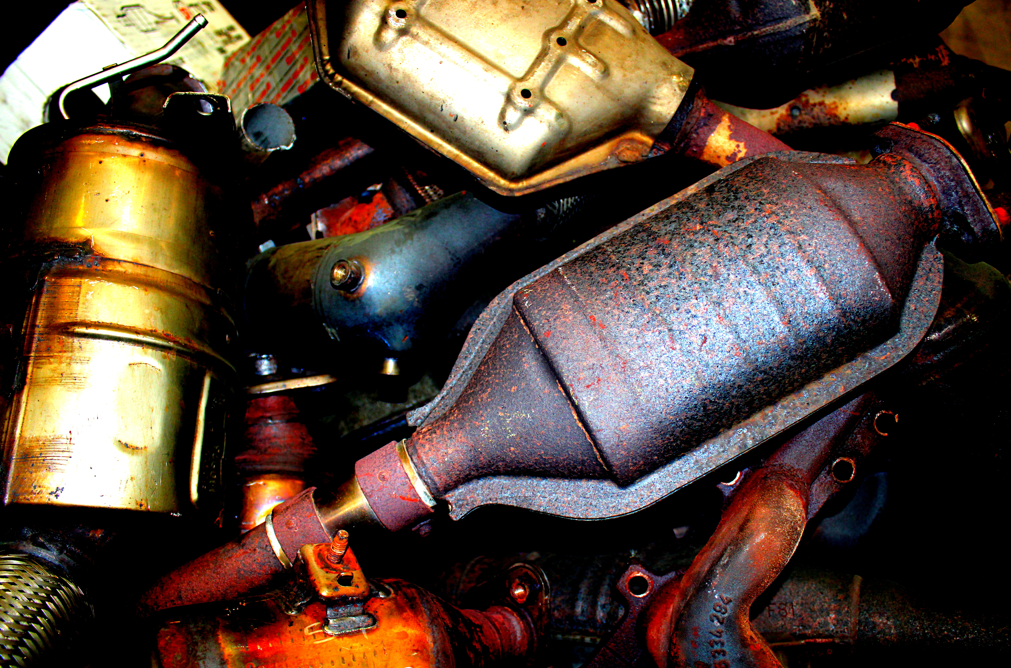
The emissions system converts dangerous combustion gases like hydrogen sulfide and carbon monoxide into less harmful ones like sulfur dioxide and carbon dioxide. This conversion is essential to reduce airborne pollution. This system is designed to operate at high temperatures and under intense pressure, but it still needs regular maintenance. As your Ford dealership, we want you to know some signs you need to visit us for Ford emission system maintenance. Rattling Noises The catalytic converter is the center of the emissions system, and its interior has a honeycomb-like structure. The honeycomb design provides a large surface area to convert engine gases. While the converter operates at high temperatures, it can still overheat due to age or damage. If this happens, the intense heat will crack sections of the honeycomb. If the honeycomb cracks, continued high temperatures will extend the cracks, and pieces will break off. This damage to the converter will increase vehicle emissions and produce rattling noises as the broken honeycomb sections move around as you drive. We'll investigate the converter to confirm the problem. The honeycomb can't be repaired, but we'll install a new converter to fix this problem. more Black Exhaust Smoke Black exhaust smoke can be a sign that your converter is damaged. Normal exhaust smoke is wispy and almost invisible, and shows the converter is working efficiently. If the exhaust smoke turns black, unburnt fuel is being dumped into the exhaust from the engine cylinders. Hot, unburnt fuel can't be completely broken down by the catalytic converter, so it passes out the tailpipe in a black cloud. The unburnt fuel raises the temperature inside the converter, which can cause the catalytic converter to overheat and suffer serious damage. Our technicians will check the converter and repair or replace it. We'll also investigate the reason fuel isn't burning correctly and fix that issue. Blue-Tinged Converter The converter, as we've seen, is part of the exhaust system. It's a large, roundish component with sections of the exhaust connected to both ends. It's designed to operate at temperatures from 800°F to 1,200°F. Despite its sturdy design and heat resistance, it can be damaged by extreme temperatures. If the converter gets too hot, meaning its internal temperature rises above 2,000°F, the outside of the converter changes color. If you look under your Ford and the converter has a blue tinge, it's overheating and not converting exhaust gases correctly. Exhaust emissions will increase, and you'll smell gas from the tailpipe. We'll replace the overheated converter, and vehicle emissions will return to safe levels. If you have an emissions problem, contact our service department right away at Coughlin Ford of Pataskala in Pataskala, OH.

Oil Change in Pataskala, OH

Ford Oil Change Intervals: Keeping Your Engine Healthy

When was the last time you changed your oil? If you can't remember, it's probably a good idea to check its level and condition. Nothing threatens the smooth functioning and lifespan of an engine as much as low or degraded oil, which is necessary to lubricate the many moving parts, combat corrosion, and keep the whole system clean. To optimize your car's health and longevity, here's how to figure out the perfect Ford oil change intervals. Ford Oil Change Intervals: Keeping Your Engine Healthy for Longer Follow Your Owner's Manual and Warranty Always read the oil-change guidelines in your owner's manual and follow them diligently. And if your car's under warranty, it's also wise to be aware of what the warranty stipulates in order to prevent it from voiding. If for some reason these two instructed oil-change intervals vary, err on the side of caution and follow the more frequent one. Remember that you can never have too many oil changes, but too few can lead to considerable wear and tear inside the engine. more Twice a Year Is a Good Rule of Thumb Modern synthetic motor oil tends to stay in great shape for 7,500 to 10,000 miles. This means the majority of drivers need to change their oil twice a year to avoid problems. If you drive more than the average distance of just over 14,000 miles yearly, have your oil changed three or four times per year instead. Consider How Much Strain You Put on Your Oil There are other reasons why some drivers require more frequent oil changes. If you put your engine and oil under excessive strain, it will wear down faster. One way to do this is regular short trips of under five miles, which doesn't give the oil time to properly warm up to optimal lubricating temperature. Increasing the strain with heavy loads or trailers also causes the oil to degrade faster. The environment you drive in can make a difference too; if you regularly use off-road trails or rough roads with plenty of dust, dirt, and sand, your oil will thicken more rapidly. Heavy traffic, steep mountainous routes, and aggressive driving habits can also take their toll on motor oil. Ask Our Technicians for Personalized Guidance For peace of mind, you can ask one of our experienced technicians to figure out the ideal oil change interval for you and your car. We can then set up a routine schedule that includes polite reminders to ensure you never forget to change your oil on time. Visit Coughlin Ford of Pataskala in Pataskala, OH, today to arrange a convenient oil-change schedule. We're a local award-winning dealership dedicated to providing top-notch cars, deals, financing, maintenance, and customer care.

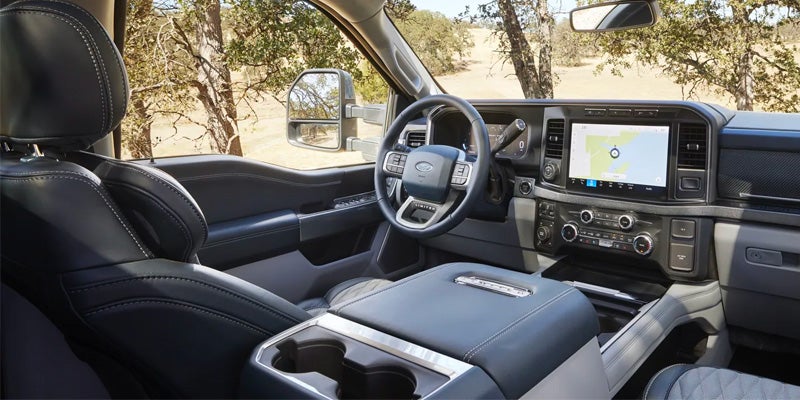
Interior of 2025 Ford F-250 SuperDuty in Pataskala, OH

Maintaining Your Ford Interior: Cleaning and Care Tips

When you keep your car's interior fresh and clean, you not only enhance your everyday diving pleasure, but you also make your cabin a healthier place to be, extend the car's longevity, and boost road safety by maximizing visibility. With all this in mind, here's a detailed guide to great Ford interior maintenance. Take Out All Removable Items You wouldn't want to superficially clean without getting to dust and grime under floor mats and seat covers. Remove everything you can before you start cleaning, including personal belongings, child safety seats, electronics and cables, and all trunk items. more Clean Your Removable Items Before returning removable items to the car, clean them as thoroughly as possible. In particular, make sure to clean the floor mats with vacuuming, soap, and water. If your mats aren't easy to clean, consider buying some that are. Allow everything to dry and finish cleaning the cabin before putting floor mats and seat covers back into the car. Use Microfiber Cloth for Windows When cleaning the windows and mirrors, use specialist Ford cleaning products and a microfiber cloth to avoid scratching the glass. After spraying and wiping down the glass, use a second cloth to remove any streaks and leave your windows sparkling clean. Vacuum Every Nook and Cranny A large part of cabin cleaning is getting rid of dust, dirt, crumbs, and other debris with a good vacuum. Use a powerful vacuum cleaner with narrow nozzle options that can get into every corner and seat crevice. Use a Soft-Bristled Brush on Paneling After the windows, dirt tends to show most visibly on the door panels, dashboard, and cupholders. Use a soft-bristled brush and disinfectant wipes to thoroughly clean all these hard surfaces. You may need a more powerful degreasing product to remove stubborn stains or residue. Install Air Fresheners with Enzymes If you'd like to maintain that pleasant new car smell for as long as possible, install air fresheners that contain enzymes. The enzymes in these fresheners circulate throughout the cabin, gradually breaking down organic waste and odors at the source. Protect Your Seats With Easy-Clean Covers When it comes to keeping your cabin clean, it's wise to take a proactive approach. As the seats are often the toughest parts to clean, protect them with covers that are easy to remove and wipe down. With seat covers, you'll save yourself a good deal of time and hassle. Ask for Professional Help With Your Ford Interior Maintenance Nothing beats the feeling of getting into your car after it's been professionally cleaned. Allow us to thoroughly detail the interior of your car, returning it to near-new condition in record time. Visit Coughlin Ford of Pataskala in Pataskala, OH, today to have your car serviced and cleaned by courteous professionals. We provide an extensive range of new and pre-owned cars and comprehensive vehicle services at very competitive prices.

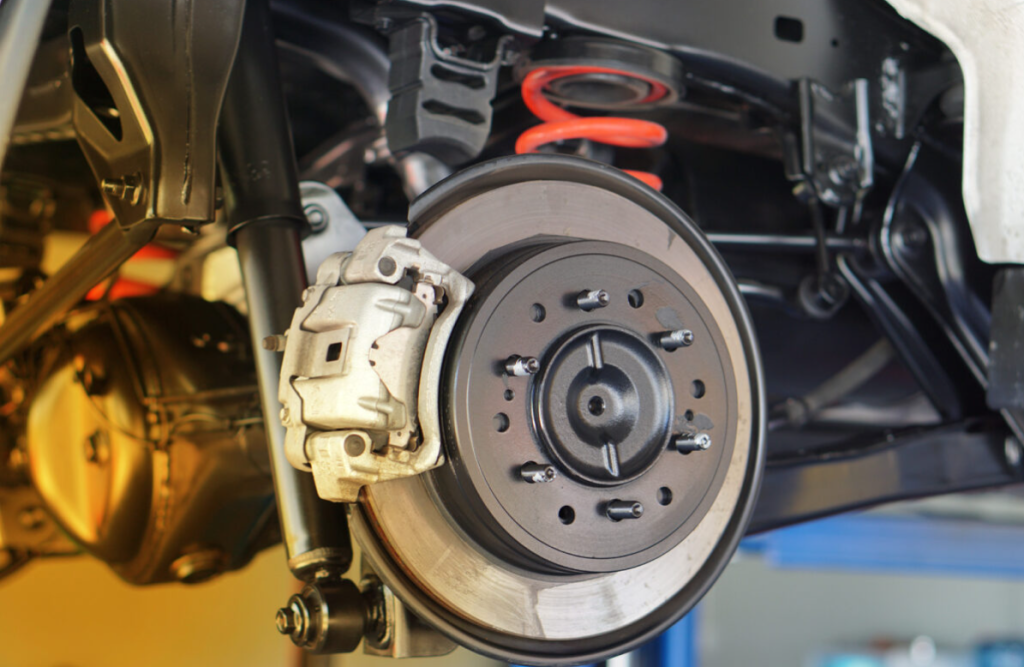
Exposed vehicle brakes.

Visit Coughlin Ford of Pataskala for Brake Repairs

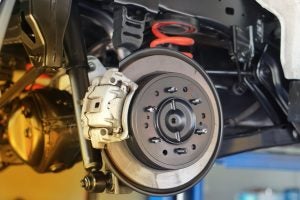
You should stop by our Service Department regularly so you can get all the services available to help you keep your car in great shape for many years. You should also stop by any time you need a repair, such as a brake repair, so you can have your car fixed by factory-trained technicians who know Ford vehicles like the backs of their hands. Worn-Down Brake Pads When your brake pads wear down, you'll notice they appear very thin and you hear a high-pitched squealing noise when you step on the brake pedal. Over time, the brake pads will wear down more and more until you eventually hear a grinding noise when braking. You should visit the dealer as soon as the squealing sound begins because once the brakes start making grinding noises, there's some damage being done. more Vibration Vibration while braking isn't normal outside of specific situations. It should only occur when you have anti-lock brakes and they engage during a panic stop. Vibration during normal braking tells you that your rotors need some attention, as they're most likely warped. Less Responsive Brakes Brakes that are becoming less responsive are definitely brakes that need to be checked out at the dealer. This problem is dangerous, especially as it worsens, but it's often easy to fix. Your brakes becoming less responsive might just be caused by a brake fluid leak or, similarly, an air leak in one of the hoses in the braking system. Pulling Cars shouldn't pull to one side when the brake pedal is used. If yours does, then it may indicate unevenly worn brake linings or contaminated brake fluid that needs to be drained and replaced. Why You Should Visit the Coughlin Ford of Pataskala Service Department for a Repair Ford Expertise The technicians at Coughlin Ford of Pataskala are more experienced and knowledgeable than general mechanics when it comes to working on Ford vehicles. They remain up-to-date on all the latest models in the technology in them, which is vital, as the technology in cars gets more advanced every year. The expertise our technicians have makes them the best people to diagnose and repair problems with your car. Easy Scheduling Scheduling service with us is easy, as you can do it online via our website and select a time that works for you. We have long hours, too, as we aim to be open at a time that suits the most drivers possible. OEM Parts If our technicians need to replace any part of your braking system, then they'll use OEM components to do it. These parts are manufacturer-approved and are exact replicas of the parts they're replacing. Come to Coughlin Ford of Pataskala in Pataskala, OH when your brakes are faulty. You can easily schedule service online whenever you need to.

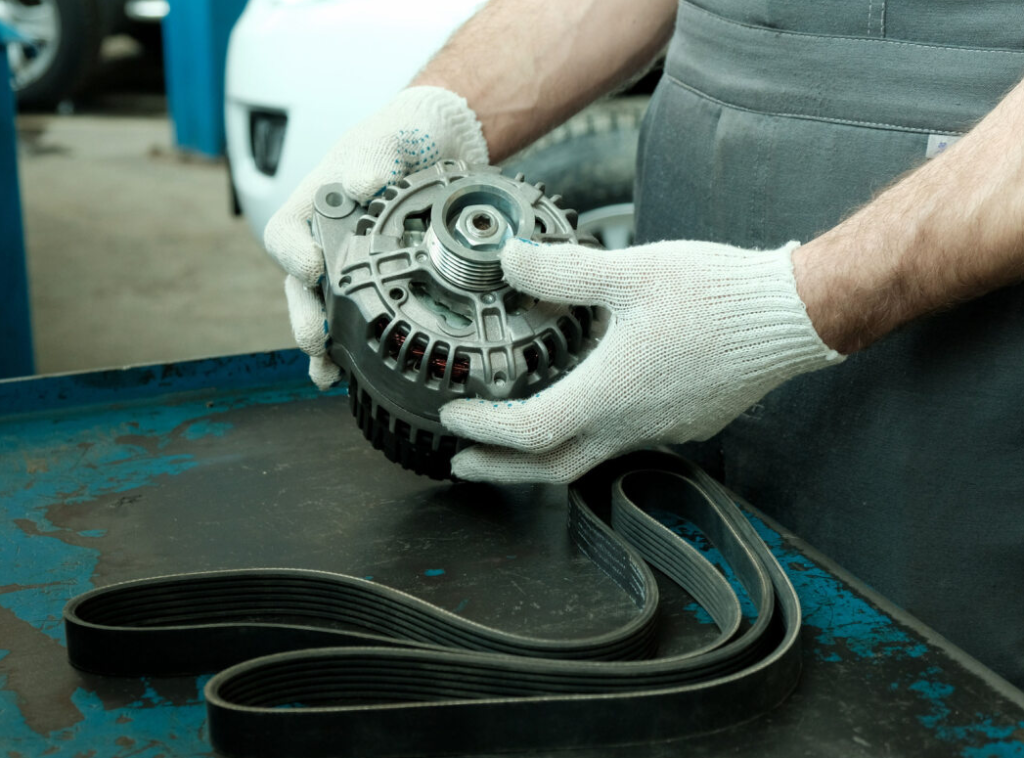
An auto repair technician holding a vehicle alternator.

6 Signs Your Ford Needs an Alternator Repairs

In your car, while the battery supplies electricity to the engine starter, ignition coils, headlights, and other electrical components, the alternator is responsible for keeping the battery fully charged up at all times. Whenever you're driving, the alternator continuously converts the engine's mechanical power into electricity to charge the battery. So if you're experiencing any of the following electrical problems, you might need prompt alternator repairs at your local Ford dealership. Your Battery Has Died When a car battery dies, it might have grown too old. Alternatively, you might have left the headlights or stereo on overnight, which drained the battery. Another potential cause is a faulty alternator. If a bad alternator failed to recharge the battery during your last drive, the battery might not have enough power for the starter. When you jumpstart your car, if the engine keeps running, then your alternator is still generating electricity and is probably okay. However, if the engine dies again quickly after the jumpstart, you may need a new alternator. more Your Headlights Brighten and Fade Erratically When an alternator begins to falter, the power it supplies becomes erratic. This can cause the headlights and other external and internal lights to suddenly grow brighter and dimmer, or even flicker. Your Electrical Accessories Slow Down When an alternator fault restricts the supply of electricity, various electrical components in your car will slow down and start failing. This might include the dashboard dials, stereo, heated seats, phone charger, power windows, air-con, infotainment screen, and more. You Hear Whining Sounds Sometimes an alternator fault is caused by the serpentine belt slipping loose or breaking. The serpentine belt transmits power from the engine's crankshaft to the alternator and various other car parts. If your serpentine belt begins to slip out of place, you might hear an odd whining noise and smell burning rubber. Your Dashboard Warning Lights Appear When a bad battery or alternator restricts the flow of voltage, a battery warning light will usually come to life on the dashboard. In some models, you'll see a battery-shaped light, and in others, you'll see a more specific ALT light that points directly to the alternator as the faulty part. A Technician at Your Ford Dealership Finds an Fault While inspecting your vehicle during regular maintenance checks, the technicians at your local dealership may well detect alternator problems before you do. They can then nip the problem in the bud by fixing or replacing the alternator, saving you from the risk of sudden alternator-related vehicle failure on the road. Have your alternator repaired or replaced today at Coughlin Ford of Pataskala in Pataskala, OH. We're a friendly local dealership providing an extensive range of new and used cars along with award-winning customer care.

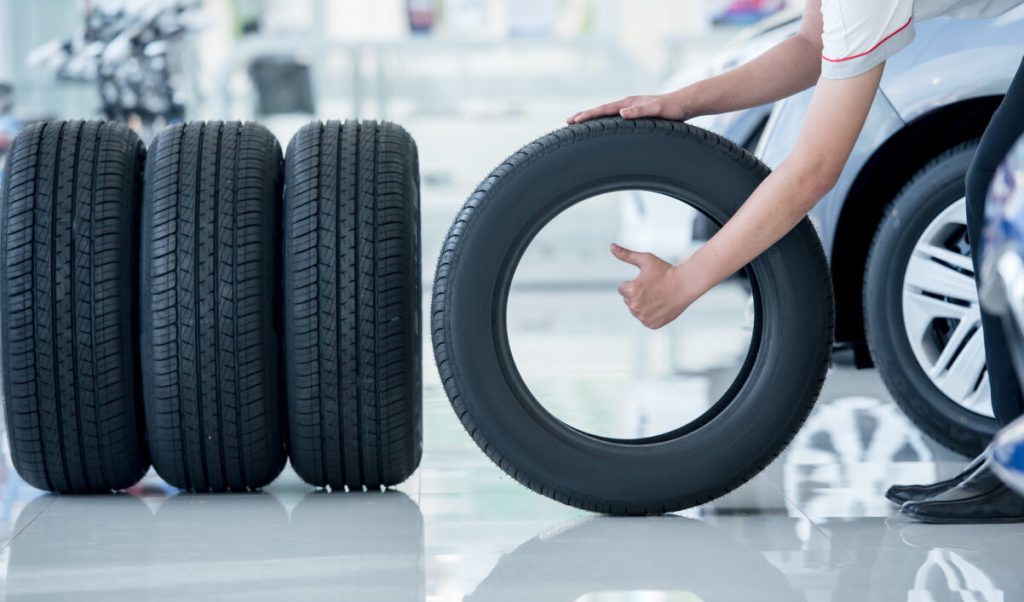
Car tires rolling in.

Does Your Ford Need New Tires?

If your tires are making odd noises, like humming or thumping, or if they are showing visible signs of wear, it may be time to invest in a replacement set. The tires are an important safety feature, so you'll want to stay on top of their maintenance. You can get new tires at your Ford dealer, but how can you tell when you're due for new ones? Your Tires Are Humming There are a couple of different tire noises to watch out for. Tires that seem to hum may be bald, unevenly worn, and at heightened risk of a blowout. Thumping can indicate a balance issue. Get to know what normal driving sounds like for your vehicle so that you can spot unusual noises when they develop. If your vehicle is vibrating while being driven, that's another signal that replacement tires may be needed. The metal bars in your tires can slip, leading to uncomfortable shaking when the vehicle is driven at any speed. Vibrations can also be a sign that your tires are unbalanced or out of alignment. Our service department can inspect your tires and determine the problem. more Your Tires Fail the Penny Test The penny test is a quick, easy test to determine how worn your treads are and if you need replacement tires. Place a penny into the tread grooves on your tire with Lincoln's head pointing down. If you can see the top of Lincoln's head, the wear on your treads is sufficient that they need to be replaced. Your Tires Are Visibly Worn Tires that have developed visible signs of wear, like cracks and sidewall bulges, are risky to drive on and should be replaced. Tires in this state are weaker and more susceptible to blowouts. Your Tires Are Old The life of your tires depends on things like how frequently you drive and the conditions you drive in. But generally, tires need to be replaced every six years or so. If you can't recall when you last purchased tires, your car is probably ready for new ones. Your Car's Tire-Monitoring Devices Signal That It's Time Many vehicles today are equipped with devices that signal when it's time to replace the tires. Your vehicle may have a Tire Pressure Monitoring Light, for example, and if that light repeatedly comes on it may be time to consider replacement tires. Some tires today also have tread wear indicator bars, which are rubber squares that rest in your tire grooves. When the top of your treads is even with the top of the tread wear bars, it's time to look at replacement tires. If you have concerns about your tires, you'll want to have them checked out and possibly replaced. When you're next due for tire service, call Coughlin Ford of Pataskala.

A vehicle catalytic converter.

Does Your Ford Need a New Catalytic Converter?

The combustion process produces dangerous chemicals like carbon monoxide, which increase air pollution. Your Ford's catalytic converter converts these toxic chemicals into harmless ones, reducing pollution by up to 99%. A converter can wear out or become damaged, and your car's emissions will rise. Your Ford dealer can repair or replace the converter for you, and these are some signs the converter is failing. Thick Black Smoke Black exhaust smoke is a highly visible sign of a problem, as it means the converter isn't working. The smoke has a foul, acrid smell due to the presence of unconverted combustion byproducts. There are several reasons for a converter failure. The most common causes are the converter has failed due to age or damage due to another engine problem. A converter has a long life of approximately ten years, after which it will gradually wear out. Engine problems like a high fuel-to-air ratio can lead to converter damage. A fuel-rich engine reduces combustion efficiency and prevents much of the fuel from igniting. Hot, unburnt fuel is dumped into the converter, which can overheat the converter and cause it to fail. We'll examine your converter and repair or replace it. more Your Engine Starts Then Dies When your engine starts, the combustion process begins. If your engine fails within seconds of starting, you could have a blocked converter. The fuel-air mixture in the cylinders is compressed, then ignited to create combustion. Once the cylinder contents have ignited, the waste products and gases enter the converter for conversion. Carbon buildup in the converter can block the exit from the converter into the exhaust system. If this happens, the combustion gases flow back into the engine and raise its internal pressure. Increasing gas pressure in the engine chokes off combustion and your engine will die. We can easily fix this problem by removing the converter and clearing the blockage before we reinstall it. Rattling Noises A converter uses heat, high pressure, and chemical reactions to convert engine gases. The inside of a converter is shaped like a honeycomb, as this design provides the largest surface area possible for quick and efficient gas conversion. A honeycomb is strong, but any damage to the structure can cause cracks. Heat and high pressure in the converter will cause cracks to expand, and honeycomb pieces can break off. Broken honeycomb pieces will move around in the converter, producing a rattling sound as they do so. Our technicians will examine your converter and replace it if it's damaged. A damaged converter increases toxic emissions and will lead to engine damage. Call us today at Coughlin Ford of Pataskala, and we'll fix the problem for you.

Brakes on a vehicle.

3 Signs Your Ford Needs a Brake Repair

Driving with worn or damaged brakes is dangerous and can easily result in an accident. Fortunately, if you have a brake problem in Pataskala, OH, your Ford dealer can help you. We can test your braking system and repair any possible problem. We'd like you to know some warning signs that you may need a brake repair very soon. Screeching, Grinding, and Squealing Strange noises when you hit the brakes are never a good sign. Your brakes don't make any sound as they work, so any sound is a sign of potential trouble. Screeching noises are made by a worn brake pad that needs replacement. When your pads have worn down to 1/4" thick, they will screech as a warning that they need to be replaced. Grinding noises are more serious, as they mean your brake pads have completely worn down. The metal of the brake pads is gouging the surface of the rotors and producing this unnerving sound. Replacing the pads will cause screeching and grinding noises to disappear. Squealing noises are usually made by a rusted or jammed caliper trying to engage. We'll examine your brakes to fix this problem. more Brake Fluid Leak Brake fluid is essential for your braking system, as it provides the hydraulic power that allows the braking system to work. When you step on the brake pedal, the brake booster magnifies this pressure and forces the brake fluid into the hoses. The pressure this creates pushes the pins out of the brake calipers, and they clamp against the wheel rotors to slow and stop your wheels. A brake fluid leak reduces the pressure in the system, and low pressure makes braking slower and more difficult. The fluid can leak from several different places, including damaged hoses or brake lines. A leak is usually difficult to spot, as brake fluid is pale yellow and looks similar to cooking oil. The first sign you usually have of a leak is a slow response from your brakes. We'll test the system for leaks and repair them to fix this problem. Damaged Brake Booster As we saw above, the brake booster produces additional pressure to increase braking efficiency. Older cars didn't have a booster, and this meant more strain on your muscles to force the brakes to engage. The booster makes braking simpler, faster, and more efficient. The booster uses a vacuum to generate the required pressure to engage the brakes. If the vacuum is damaged or leaking, braking efficiency will be greatly reduced. Our technicians can test the booster and repair or replace it depending on the problem. If you're experiencing braking problems, call our service department right away at Coughlin Ford of Pataskala.

Under the hood showing the AC of a car.

Is Your Ford's Car AC Not Working? Visit Your Pataskala Dealership

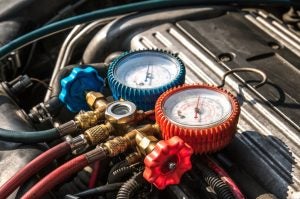
Everyone enjoys the warmth of summer, but your car AC not working can turn a warm day unbearably hot very quickly. Your Pataskala, OH, Ford dealership can fix your AC for you. These are a few signs that your AC needs some help. Noises From the AC Your AC should make almost no noise. You'll hear a slight clink now and again as the compressor switches on and off. You'll also hear the sound of the cold air rushing in if you have the speed turned high enough. If you hear rattling, rustling, or clunking noises, this means there's a problem in your AC that our technicians need to investigate. Rustling noises could be caused by leaves and other debris that have blown into the AC system and are moving around. The rattling or clunking noise could be caused by damaged parts of the AC, for example, worn compressor bearings. Our technicians will check your AC and find and fix the problem. more Moldy Smells When you turn on the AC for the first time in summer, you expect gusts of cold air. You don't expect that cold air to carry moldy smells with it. A damp, earthy smell, when the AC is running, is a sign that bacteria or mold have taken up residence in your AC system. This usually happens in winter since the AC isn't being used. The lack of air movement allows bacteria or mold to grow undisturbed. These organisms smell bad, and they can cause allergic reactions or illness. Our technicians can fix this problem by pumping a strong anti-bacterial and anti-mold cleaning solution into the AC system. We'll turn on the AC, and the solution will spread through the AC. Once the solution has done its work, your AC will be fresh and clean. AC Blows Cold, Then Hot Air If your AC blows cold air and then suddenly blows stifling hot air, your AC system has a problem. The most likely cause of this issue is a blocked or damaged expansion valve in the evaporator. The evaporator is the part of your AC that removes heat and humidity from the cabin. The expansion valve controls the flow of refrigerant into the system. Refrigerant is the gas that chills the air that blows from the AC. Over time, this small valve can become partially blocked. As your AC works, the restricted opening can result in the expansion valve freezing. This completely blocks the flow of refrigerant, and the heat and humidity will blow back into your cabin. We'll unblock or replace this valve to fix the problem. Call us today at Coughlin Ford of Pataskala, and we'll have that AC problem fixed in no time.

Contact Us

Fill out this form below and we'll contact you shortly
*Required Fields