
Coughlin Ford of Pataskala

Blog / Automatic Emergency Braking

Understanding Ford's Pre-Collision Assist with Automatic Emergency Braking

Emergency Braking Ford Assist

Ford vehicles come with a range of standard driver assistance features, and one that you'll see often is Ford Pre-Collision Assist with Automatic Emergency Braking. This feature can be invaluable when it activates, so let's get to know it a little better.

What Does Ford Pre-Collision Assist Do?

Pre-Collision Assist with Automatic Emergency Braking acts like a co-pilot. It keeps an eye on the road whenever possible, including at night, when your car's lights illuminate the area in front of you. The feature can detect both vehicles and pedestrians ahead, both stationary and moving. If there's an object in front of you that you're in danger of colliding with, then it sends you multiple warnings to get you to take action and slow down or stop.

When the system is trying to tell you that you may be in danger, it'll make a chiming noise and display a message on the information display telling you what's wrong. If you don't do anything to remedy the situation, then the system gets the brakes charged up in preparation. This makes your brakes more responsive when you step on the pedal.

What Does Automatic Emergency Braking Do?

If Pre-Collision Assist has sent you warnings and prepared itself for an emergency stop, then that's exactly what's going to happen. The car, if necessary, will apply full braking force by itself to try to prevent a crash. If you crash anyway, the braking may at least make the damage less severe.

If the automatic braking function doesn't engage, but the brakes have already charged in response to a collision alert, then even light pressure on the brake pedal will engage the brakes fully.

How Sensitive Is Pre-Collision Assist?

You can choose between low, normal, and high sensitivity settings using your infotainment system. The lower the setting, the fewer alerts you'll get. Lower settings give you a little more time in potentially dangerous situations before the car starts warning you about a potential crash. If you don't like the feature working even on the lowest setting, though, then you can turn it off completely.

Which Sensitivity Setting Is Best?

Ford recommends using the high sensitivity setting, as it's the one that can help keep you safest. However, if Pre-Collision Assist activates too frequently and distracts you, then the setting that's functional without being distracting is likely the best setting for you to choose. The setting you pick won't impact Automatic Emergency Braking's support, though. It always provides full braking support when activated, bringing you to a total stop as quickly as possible.

Come get a Ford with this excellent driver assistance feature at Coughlin Ford of Pataskala in Pataskala, OH. Call our sales team at 380-227-5024 if you have any questions.
Posted in:

Related Posts

Ford Park Assist Coughlin Ford of Pataskala

Understanding Ford's Enhanced Active Park Assist

Have you ever dinged another car while parking? It's funny how such a little mistake can be a stressful, costly headache. With Ford Active Park Assist, your chances of unwanted bumps and scrapes while parallel parking are dramatically reduced, and with Enhanced Active Park Assist, you're also helped with perpendicular parking and getting out of tight spots. Active Park Assist Makes Parallel Parking Easy Let's start with the base feature. When you're looking for a parallel parking spot, slow your car to under 20 mph and press the Active Park Assist button. Your car will then use radar technology to scan for a perfect spot. You can turn on the indicator light before activating the feature to tell your car which side you'd like to park on. Your car will let you know when a good spot has been located. You then position your car properly, let go of the steering wheel, and follow the directions on your instrument panel to control the gas and brakes while your car neatly steers you into position. Enjoy  More Functionality With the Enhanced Feature With Enhanced Active Park Assist, your car can now steer you out of parallel parking spots as well as in, with equal precision, while also checking the road for oncoming vehicles. In addition, your car can now guide you in and out of perpendicular parking spots at 90-degree angles from the road, which are ordinarily tricky when visibility is limited to either side. With all your Ford's external cameras and radars, visibility is never a problem. Fully Automate Your Parking With Active Park Assist 2.0 Some Ford models have Active Park Assist 2.0 available, which takes automation to the next level. Now, the vehicle does everything for you, including steering, braking, accelerating, and shifting gears. All you need to do is get the car into position and then press and hold the button. Who Can Benefit from Ford Active Park Assist Any driver who regularly commutes into congested urban areas with frequent hunts for hard-to-find parking spots can benefit hugely from these features. Even confident parkers gain additional peace of mind, knowing they won't accidentally scrape their paintwork in a distracted moment. If you've never driven a car with Active Park Assist before, give it a try today. You can visit our dealership and test drive your ideal Ford. Like many of Ford's stress-saving innovations, once you see how easy this feature makes things, you won't want to look back. Visit Coughlin Ford of Pataskala in Pataskala, OH, today. With an extensive inventory of new and used Fords and comprehensive vehicle services, we have all you and your car need in one place.

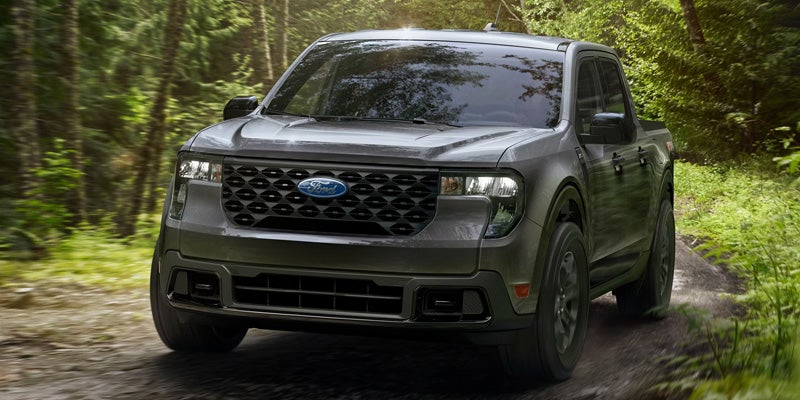
Gray Ford Maverick driving along a forest trail.

Ford Maverick vs Ford Ranger: Which Truck Fits You?

Ford Maverick vs Ford Ranger: Which Truck Is Right for You? If you're shopping for a smaller Ford truck, the Ford Maverick vs Ford Ranger debate is one worth thinking through carefully. Both are capable, practical, and packed with value - but they're built for different kinds of drivers. Whether you're navigating daily errands or heading off the beaten path, understanding what sets these two apart can help you make a confident decision. Ford Maverick: The Compact Truck Built for Everyday Life The Ford Maverick is a standout choice in the Ford compact vs midsize truck conversation. It's compact enough for city driving and suburban parking, but still delivers real truck utility with an open bed and solid towing capability. A hybrid powertrain is available, making it one of the more fuel-conscious truck options on the market today. Starting at a lower price point than the Ranger, the Maverick is a smart pick for buyers who want truck versatility without the bulk. It works well for light hauling, weekend projects, and daily commuting. If you want a truck that fits into a variety of situations without a lot of fuss, the Maverick deserves a serious look. Ford Ranger: The Midsize Truck Ready for More The Ford Ranger steps up the capability for drivers who need a bit more muscle. As a midsize truck, it offers a higher towing capacity, a more rugged build, and available off-road configurations - including the Ranger Raptor for those who want to take the adventure further. The Ranger is a natural fit for drivers who regularly haul heavier loads, tow trailers, or want more confidence on rough terrain. In the Ford compact vs midsize truck comparison, the Ranger edges ahead when it comes to raw capability and available performance features. It's also offered with optional tech upgrades that make long drives or job-site use more convenient. Comparing the Two: What Really Sets Them Apart The Ford Maverick vs Ford Ranger comparison really comes down to how you plan to use your truck. The Maverick prioritizes efficiency, affordability, and a smaller footprint, making it ideal for drivers who want versatility in a manageable package. The Ranger prioritizes capability and confidence, making it a better fit for those with bigger towing needs or off-road ambitions. Both trucks benefit from Ford's reputation for quality - a reputation backed by JD Power recognition for new-vehicle quality across the Ford lineup. No matter which direction you lean, you're choosing a truck with a strong foundation. Which Ford Truck Is the Right Fit for You? If you're still weighing your options, think about your typical week. Do you mostly drive around town and occasionally need a truck bed? The Maverick is likely your match. Do you tow regularly, haul heavier gear, or want off-road capability on weekends? The Ranger is probably the better call. Drivers in Pataskala, OH have the opportunity to explore both models in person and get a feel for which one suits their lifestyle best. Visit Coughlin Ford of Pataskala to Explore Both Models When it comes to the Ford Maverick vs Ford Ranger, there's no single right answer - it all depends on your needs and priorities. Both trucks offer real-world value, smart technology, and the build quality Ford is known for. The best way to decide is to see them side by side. Stop by Coughlin Ford of Pataskala or visit us to browse current inventory, explore your options, and find the truck that fits your life.

Blue Ford Bronco parked on a wooded trail.

Ford Tire Pressure Cold Weather Tips

How Cold Weather Affects Ford Tire Pressure and What to Do About It Why Cold Weather and Ford Tire Pressure Don't Always Get Along If you've ever walked out to your Ford on a cold morning and noticed the tire pressure warning light glowing on your dashboard, you're not alone. Ford tire pressure cold weather changes are one of the most common - and most misunderstood - seasonal issues drivers face. The good news is that it's usually a straightforward fix once you understand what's happening. The Science Behind Tire Pressure Drops in Cold Temperatures Air contracts when temperatures drop. For every 10-degree Fahrenheit decrease in outside temperature, your tires can lose roughly one pound per square inch of pressure. That might not sound like much, but if temperatures swing 30 or 40 degrees overnight - which is very common in Pataskala, OH during fall and winter - your tires could be significantly underinflated by morning. Ford vehicles, like all modern passenger cars and trucks, are sensitive to these changes because proper tire inflation directly affects handling, braking, and fuel efficiency. What the Ford TPMS Light Is Telling You The Ford TPMS light - which stands for Tire Pressure Monitoring System - is designed to alert you when one or more tires fall below the recommended pressure threshold. It typically illuminates as a yellow horseshoe-shaped symbol with an exclamation point. Seeing this light in cold weather doesn't always mean you have a leak. More often, the pressure simply dropped due to the temperature change. However, you should never ignore the Ford TPMS light. Driving on underinflated tires can cause uneven wear, reduced traction, and in serious cases, a blowout. How to Check and Correct Ford Tire Pressure in Cold Weather The best practice for managing Ford tire pressure cold weather situations is to check your tire pressure manually using a quality gauge before driving in the morning, when tires are still cold. Your recommended tire pressure is listed on a sticker inside the driver's door jamb - not on the tire sidewall, which shows the maximum pressure. Add air as needed using a compressor at home or at a service station. Once you've inflated all four tires to the correct specification, the Ford TPMS light should turn off on its own after you've driven a short distance. If the light stays on, one of the tires may still be low, or there could be a sensor issue worth having inspected. Tips for Keeping Tire Pressure Stable Through the Winter Months Staying ahead of tire pressure changes during cold months doesn't have to be a hassle. Check your tire pressure at least once a month and always after a significant temperature drop. Nitrogen inflation - available at many service centers - is less affected by temperature swings than regular air, though the difference is modest. If your Ford is equipped with a direct TPMS system, the Ford TPMS readout in your instrument cluster can even show you the pressure in each individual tire, making it easy to spot the problem before you head out. Keeping a portable tire inflator in your vehicle during winter is also a smart move. Visit Us for a Tire Pressure Check or TPMS Service If you're unsure about your Ford tire pressure cold weather situation, or if your TPMS light won't reset after inflating your tires, it may be time to have a certified technician take a closer look. A sensor might need recalibration, or there could be a slow leak that isn't immediately obvious. Staying on top of tire pressure is one of the simplest ways to protect your investment and keep your Ford performing the way it was built to. Stop by or schedule an appointment online, our team at Coughlin Ford of Pataskala is ready to help you drive safely all season long.