
How to Get Your Ford Ready for Fall and Winter Driving
As temperatures drop and the days get shorter, it's time to think about how to get your Ford ready for fall and winter driving. Seasonal changes can put real stress on your vehicle, and a little preparation goes a long way toward keeping you safe and confident on the road. Whether you're commuting through Pataskala, OH, or heading out on a longer trip, here's what you need to know before the cold sets in.
Why Seasonal Preparation Matters for Your Ford
Knowing how to get your Ford ready for fall and winter driving starts with understanding what the colder months actually do to your vehicle. Dropping temperatures affect your battery's ability to hold a charge, cause tire pressure to drop, and can make fluids thicker and less effective. Ignoring these changes can leave you stranded or, worse, compromise your safety on slick roads. A proactive approach to Ford maintenance before the season hits is always the smarter move.
Check Your Battery and Electrical System
Cold weather is tough on car batteries. If your battery is more than three years old, it's worth having it tested before winter arrives. A weak battery that barely gets you through a warm September morning may not make it through a cold December commute. Your Ford's electrical system, including your lights and defrosters, will also be working harder during the winter months, so making sure everything is functioning properly is a key part of seasonal Ford maintenance.
Inspect Your Tires and Brakes
Your tires are your first line of defense on wet, icy, or leaf-covered roads. Check the tread depth and look for any signs of uneven wear. Keep in mind that for every 10 degrees the temperature drops, tire pressure falls by roughly one pound per square inch - so you'll want to check inflation levels regularly throughout the fall. While you're at it, have your brakes inspected as well. Responsive brakes are critical when road conditions aren't ideal, and fall is the perfect time to address any concerns.
Top Off Fluids and Replace Wiper Blades
Coolant, oil, and windshield washer fluid all play important roles during colder months. Make sure your coolant is properly mixed to handle freezing temperatures, and consider switching to a windshield washer fluid rated for winter use. If your wiper blades are streaking or skipping, replace them before the first frost hits. You'll be glad you did the first time freezing rain starts to fall.
Test Your Heating and Defrost Systems
Learning how to get your Ford ready for fall and winter driving also means making sure the interior systems are ready to work. Test your heater, front and rear defrosters, and heated seats if your vehicle is equipped with them. These systems help you maintain visibility and comfort during cold weather, and catching a problem now is much easier than dealing with it on a frigid morning when you're already running late.
Schedule a Multi-Point Inspection
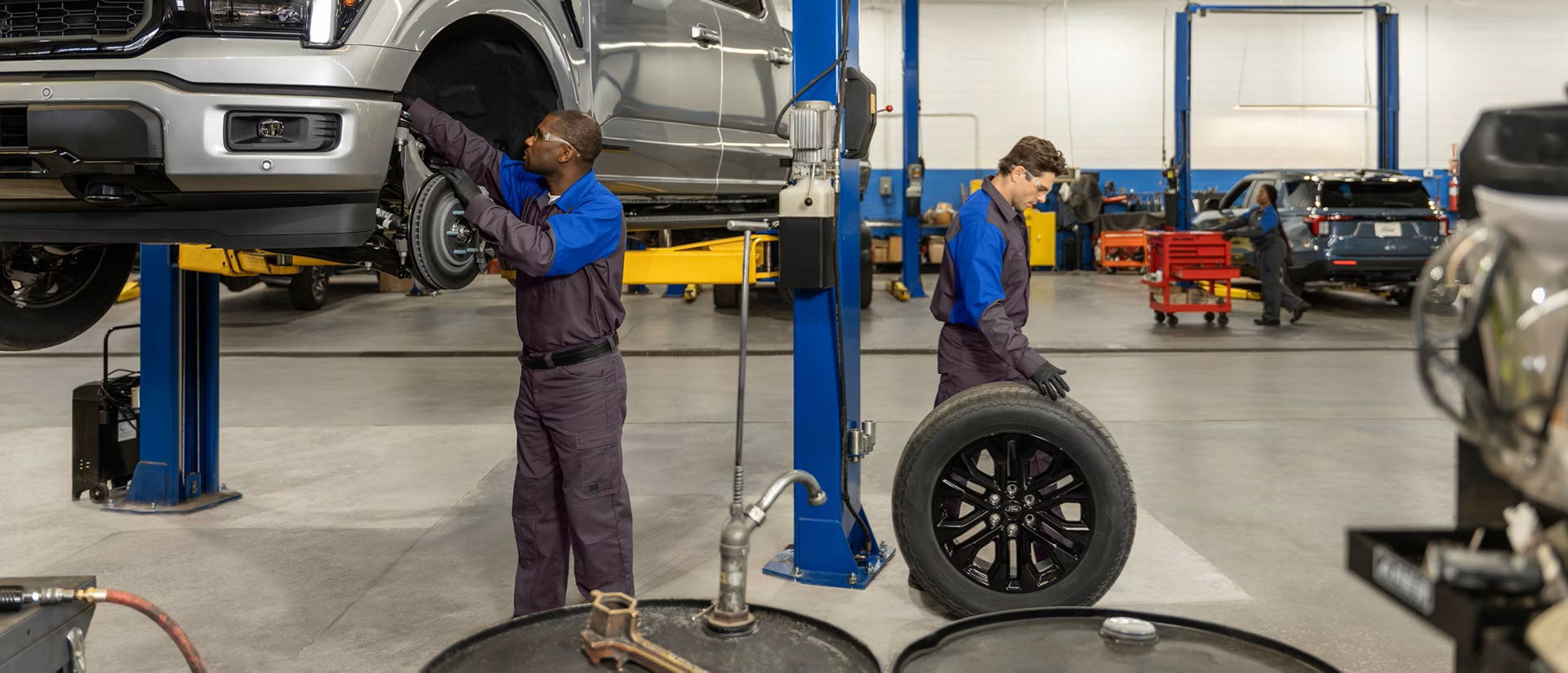
The most efficient way to cover all your bases is to bring your Ford in for a professional multi-point inspection before the season changes. A trained technician can review your battery, tires, brakes, fluids, belts, hoses, and more in a single visit. This kind of thorough Ford maintenance check can catch small issues before they become big ones, giving you real peace of mind all season long.
Visit Us Before Winter Arrives
Knowing how to get your Ford ready for fall and winter driving is the first step - taking action is what keeps you and your family safe. From routine fluid checks to battery testing and tire inspections, a little preparation now saves a lot of headaches later. Stop by and see the team to get your Ford serviced and ready for whatever the season brings.